The Terminator

No amount of derision for the late sequels can dim the love of folk for the first two Terminator films. The lacklustre reception to Terminator: Genysis (2015) reminded me that I had never really gotten around to seeing the classic entrants into the series, so it was time for Terminator (1984).

Gotta love the hair a young Bill Paxton is rocking here.
For a beloved sci-fi, the story is actually pretty stripped back. Taking place on separate timelines, 2029 and 1984, a lot of the early exposition is handled by a single screen of text explaining the rise of the machines. From there, a couple of mean dudes arrive in ’84 from the future, and the story is underway. It’s astutely written, setting up the goal of the plot (i.e. kill/protect Sarah Connor) without explaining why. It allows the action to fly from the very start, but maintains intrigue as to exactly where the plot will go. Even today, the violence in the film is quite bracing in its brutality. The body count is ultra high and with major characters possessing zero empathy, they mow numerous people down without a care. The Sarah Connor character, at least in this film, does not feel like a particularly strong one. It’s a traditionally matriarchal spot for her in a film. She has to be fought over by men, to preserve her abilities as a mother. Whilst that could be more modern, thematically the film remains resonant. You could easily patch drones onto this plot with no troubles at all. It’s a cautionary tale of the dangers of over-automation, particularly in the military sphere.

Linda Hamilton, who is so good as Sarah Connor
Arnold Schwarzenegger is a decidedly awful actor. But he does have an undeniable and unique presence to him. As such it is easy to see why the Terminator has become his most iconic role as it is designed for someone with his abilities. He doesn’t have to emote, in fact it’s better if he doesn’t. The film’s much lauded effects have undoubtedly dated to a degree. But they are yet another example of how you would take dated practical effects over dated CGI any day of the week.. It is impossible not to respect the level of craftsmanship and artistic creativity that went into the process. But there is no doubting that some of the effects work toward the film’s conclusion has a bit of a Harryhausen vibe, and not in a good way. Overall though, the design is one of the strengths of the film. Arnie’s body and the way it breaks down looks great, whilst the interaction and fuzzy borders between man and machine is rendered effectively. In addition to the lean writing, much of the tempo can be attributed to the soundtrack. Brad Fiedel’s score is electronic, but with a real authentic sounding beat, a combination that sets the pace of a lot of the action.
Verdict: Deserving of its place as an action/sci-fi classic, The Terminator still holds up despite some of its elements showing their age. It did strike me as not particularly setting up for a sequel, so I will be interested in how forced the storytelling of future films in the series feels to me. Pint of Kilkenny
Progress: 130/1001
Related beermovie.net articles for you to check out: Planet of the Apes and The Incredible Shrinking Man.
Like what you read? Then please like Beermovie.net on facebook here and follow me on twitter @beer_movie
Lost River

You can kind of imagine the pitch meeting for Ryan Gosling’s directorial debut in the director’s chair. “Hi I’m Ryan Gosling, you know me from everywhere. Can I have some money please?” And that makes sense too. I was keen to watch this mainly for the Gosling, though I had also heard good things about the soundtrack.
We would all be richer though if those pulling the financial strings had done a little more due diligence, perhaps enquiring as to Gosling’s plan for the film’s story and style. The film is set in an America destroyed by the housing and financial crisis, presented with deliberate post-apocalyptic overtones. It’s not as rad as that sounds, trust me. The conflating of a post-apocalyptic wasteland with modern day poverty stricken and destitute parts of America is a really good idea in theory. But in practice, all the lingering shots of overgrown streets, tourist attractions under water and abandoned houses are not imbued with any meaning by the film’s atmosphere or script. Overall it’s a really clunky attempt to say something about the recent U.S. housing crisis. For all the arty trimmings, the story goes to the most obvious places possible and has zero fun getting there. Gosling goes for a lot – an ethereal dreamlike quality, social commentary, absurdity, arthousiness, tension and some occasional sci-fi/horror elements – but he’s reaching and nothing ever feels anything other than really played out.
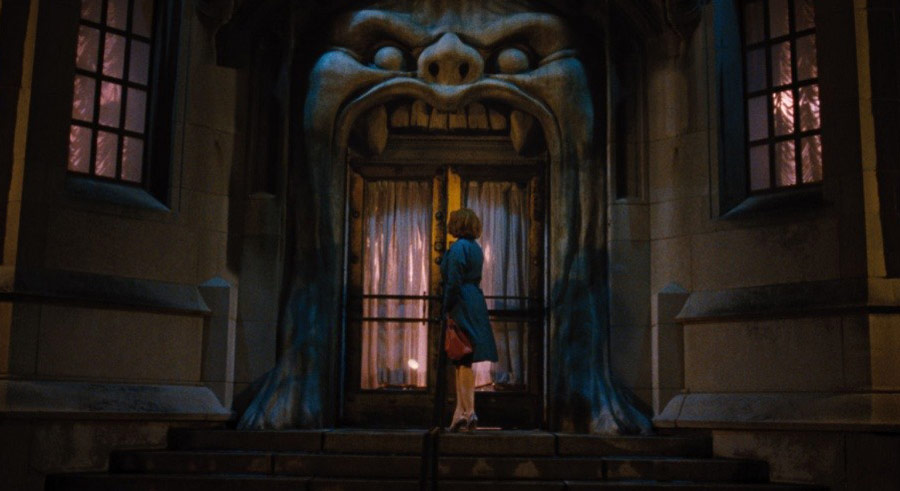
The entrance to this building which popped up a few times is the film’s most striking piece of imagery
The end result of Lost River is that it just feels as though Gosling is aping far better directors such as Nicholas Winding-Refn (unsurprisingly) and Terrence Malick, but without their assuredness. Whether or not you appreciate the work of those two names, the kind of films they make are very hard to put together and even harder to make watchable. The opening scene here legitimately feels like Gosling is trying to remake The Tree of Life (2011), and plenty of the imagery is in a similar vein. The oblique dialogue and storytelling is similarly reminiscent of that film and the work of Winding Refn, though here it is filtered somewhat through a hint of pop culture influence. As for the soundtrack, which I mentioned I had heard a bit about, well it’s decent but did not blow me away. Even at that level it’s probably the highlight of the film truth be told. There are some good moments and there’s some nice interplay with the overall sound design. But for the most part there seems a lack of commitment to put any of the boldness on the soundtrack to the front and centre of the film. Instead there is a reliance on the performances to see it through. But whilst the cast has pedigree, you know the performances are flat when even Ben Mendelsohn feels muted. Christina Hendricks, Iain De Caestecker and Saoirse Ronan are all similarly underwhelming. It is only an unrecognisable Marr Smith with any real life to his performance, bringing a real sense of menace to a character that has not had any created by the writing.
Verdict: Unfortunately Lost River really does not succeed on any level. There are attempts at a whole lot of things, but it all feels undercooked and I was totally disinterested throughout. It was always going to be easy for Gosling to snap his fingers and get a directorial debut off the ground. Based on this evidence though, there other voices I would much rather see get the investment and backing. Schooner of Tooheys New
Related beermovie.net articles for you to check out: SFF 2015: Goodnight Mommy and To the Wonder.
Like what you read? Then please like Beermovie.net on facebook here and follow me on twitter @beer_movie
Monty Python’s Life of Brian
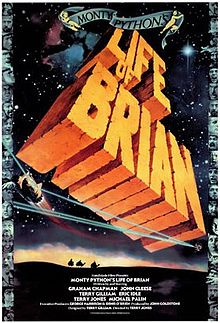
Monty Python is one of those institutions you were either introduced to at a young age and you join in the obsession, or they completely pass you buy. Given watching Monty Python’s Life of Brian (1979) was my introduction to the troupe, you can guess where I land on that spectrum.
The film takes a more is more approach to the joke count. The jokes bombard the viewer and it is hard to keep up. To be sure, many of them don’t land, in fact I would say most of them don’t. But every so often something stands out from the base level of silliness, with a level of inspiration that makes it plain why the Monty Python crew are held in such high regard by many. Unlike many of the great comedies, the jokes are really only on one level though. They mainly come from the witty silliness of the script. There is the occasional thematic hit, on religion for example, but even these are kept very light rather than genuinely subversive. This lack of subversion does date the film somewhat though with jokes using Jewish slurs, focused on a potentially trans character and some iffy rape jokes sticking out. This is not to say they were designed to offend, but they feel more dated because there is little attempt to make subversive points through the use of these ideas.

Despite the comedic writing being quite tight, perhaps the most endearing element of Monty Python’s Life of Brian is the slapdash, slightly anarchic quality that it has. Random storylines come and go with nary a care in the world, the comical Judean People’s Front takes centre stage and actors play a procession of different roles. It’s not really the kind of film where performances particularly stand out. But John Cleese’s manic energy and effort in each scene is tops. In addition, Graham Chapman as Brian, brings a charming boyish naiveté to that role. There are a couple of cracking tunes as well. I loved the opening theme whilst the final song, “Always Look on the Bright Side of Life” which accompanies perhaps the film’s best visual joke, brings back personal memories as it was the song that closed my pop’s funeral.
Verdict: All things considered, Monty Python’s the Life of Brian did make me giggle a fair bit. So on one level, mission accomplished. But beyond that, there is not really that much there, which is perhaps why this review is on the slightly short side. It’s a very well done, silly comedy. Not much more to say than that really. Stubby of Reschs
Progress: 129/1001
Related beermovie.net articles for you to check out: Mr Hulot’s Holiday and Groundhog Day.
Like what you read? Then please like Beermovie.net on facebook here and follow me on twitter @beer_movie
Worth Watching July 2015
July started out pretty slow on the viewing front. But I suffered a concussion and blew out my back, which meant I couldn’t do much for the last couple of weeks of the month aside from watch movies (unfortunately including any writing, which is why things have been quiet). So it turned into a massive one, with a couple of my favourite new releases of the year, some classics of the highbrow & silly variety and one of my absolute least favourites of the year. Read on and share your thoughts below.
Worth Watching:
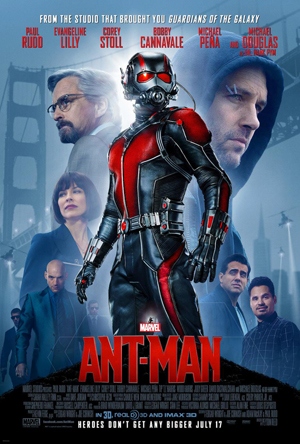
- Ant-Man (2015), Peyton Reed – So refreshing. A real different tone and scale to anything Marvel have done in an age. They do some really different things with the action too, embracing the possibilities Ant-Man’s powers bring. It’s very creative. Also one of the funniest films I’ve seen this year. Full of top performances. Fab to see Michael Douglas in a big role, peak Paul Rudd while Lily & Pena are as good as anyone. Not much of a villain, but I didn’t really care. Was too busy having a blast with this heist caper at the fringe of the Marvel universe. Let’s hope they put their Avengers-building obsessions on hold a little more often.
- The Trouble with Harry (1955), Alfred Hitchcock – Set in a sharply coloured English countryside, this is a gentle Hitch film. A quietly amusing farce based around a dead body with a touch of silliness. Shirley MacLaine shines as a mad sassy single mum. A strange film. Almost feels more like an Agatha Christie play than a Hitchcock film. Lifted by a jaunty Bernard Hermann score that really reflects the mood and a deceptively well crafted script, especially in terms of characters. Minor, but frothy, Hitchcock.
- Beyond the Reach (2014), Jean-Baptiste Leonetti – A grindhousey B-movie vibe manages to overcome a script that’s at times awkwardly bad. Doesn’t hurt that Michael Douglas is chewing scenery as an ultra-rich modern cowboy with a slight psychotic/egomaniacal streak. Jeremy Irvine’s physical presence is a good foil for Douglas’s psychological one. The basic set-up – rich dude hunting salt of the earth dude through the desert – is good fun and they vaguely try and take a psychological angle on it. You can feel the physicality of both the action and the setting. Delightfully silly.
- Insidious Chapter 2 (2013), James Wan – There is a great shared style and atmosphere to the Waniverse. He really is a master and this is utterly frightening at times. Wan uses sound so well too. Rose Byrne excels as the frazzled horror wife. The script incorporates humour much more seamlessly than you would expect. Like the best of Wan’s work, it trades in familiar horror tropes, but feels like a homage rather than derivative. Though can’t help feeling the cross-dressing killer trope is played out by now. This is a step-down from the first, especially the jumbled storytelling of the final act. But it’s still well above average.
- The Lodger (1927), Alfred Hitchcock – There is a great flow to the storytelling in Hitch’s first feature. The genesis of his style is here, fisheye shots and close-ups on reaction faces. The great, but not distracting, visual creativity is there from the start. Much of this is stark, otherworldly and almost plays like a horror film rather than a thriller. Pulls no punches with the intense ending either.
- Drug War (2012), Johnnie To – A good ol fashioned cops and robbers (drug dealers) tale. The set-up is strong, the story spinning out from drug trafficking gone wrong. Quickly gets into the meat of the story and the cop procedural aspects are excellent. The gangster elements get a little convoluted but the storytelling never loses its clarity. It is a little slight on the tension front and in building the ambivalence in the characters that it needed. But the ending is bloody intense and there is some excellent gunplay in the action.
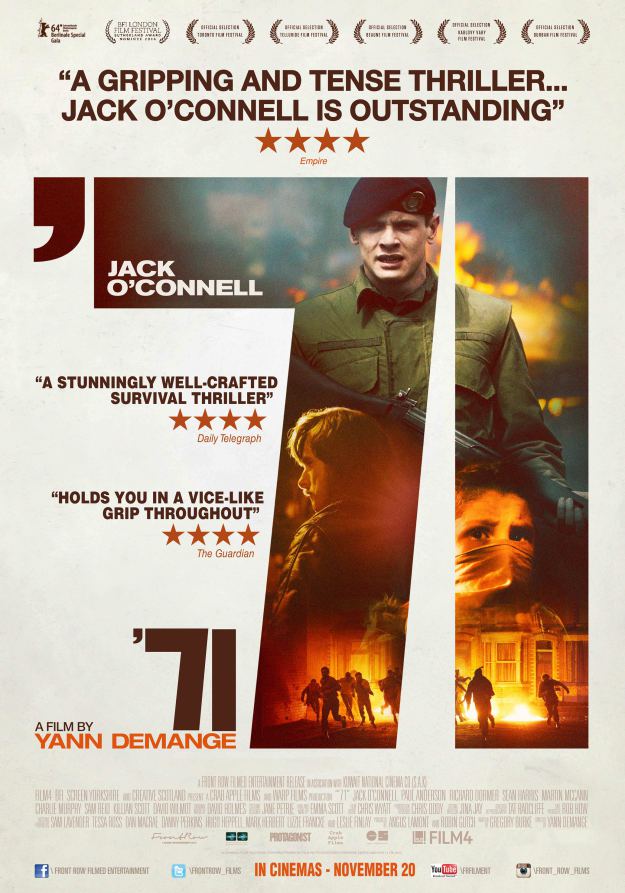
- 71 (2014), Yann Demange – Had pretty low expectations for anything original here. But it’s pretty unique, due in part to the conflict being one not generally presented onscreen. Such a small city to be so harshly divided. Portrays effectively a volatile situation, stark and confronting in conveying a city ready to blow. The pulsing score is excellent, as is the camerawork which boosts the claustrophobia. Both of these also combine to convey the main character’s disorientation as well. The intrigue over who is good, who is bad, adds a lot.
- The Transporter (2002), Louis Leterrier & Corey Yuen – Flawed, but pretty much peak The Stath. For the most part, pretty light and funny with some cool self-awareness. Kicks off with and awesomely fun and creative car chase. Occasionally the action level slips a little, exposing the rather awful storytelling and dustier performances. But it’s shot quite nicely and The Stath is so delightfully Stathy. Some nice martial arts sequences too.
- Sinister (2012), Scott Derrickson – Pretty much everything Blumhouse are behind is worth checking out these days. Starts with a terrifying mass-hanging. Ethan Hawke is a true-crime author who moves his family to where the horrific event he is writing about took place. Hawke, as he does most of the time, brings some real gravitas to this kind of genre fare. Creepy as hell, with the use of old super-8 films being really creative and atmospheric. It’s not particularly nicely shot and occasionally feels too familiar. But it picks up and is worth a look if you’re in the market for a good bogey man story.
- Magic Mike XXL (2015), Gregory Jacobs – This film is rather awful in many respects. The script is bad, most of the bits where dudes aren’t dancing are rubbish and there’s some dodgy acting. But we need more films like this. A slapdash celebration of life and sexuality. One where every body type is included in the fun & celebrated. Really is a joy of a film. Tatum and his cohort are all great, but Jada Pinkett-Smith may be the pick of the cast. Great example of how a soundtrack can drive a film just as well as an original score. More money thrown at similar fare please.
- Wet Hot American Summer (2001), David Wain – Exceptionally cast, silly 80s nostalgia. Nails the awkwardness of those late teen years. So much of the casting is perfect – Bradley Cooper, Amy Poehler, Janeane Garofalo and Christopher Meloni are all excellent. It’s utter, stilly fluff that whilst delightfully stupid does throw in some cool commentary about sexuality and embracing one’s true self. I chuckled a lot.

- Downloaded (2013), Alex Winter – Even though it’s not that long ago, Napster feels like a thousand years in internet terms. Bill S. Preston Esq himself reminds you just how revolutionary it was. The film is not a total success. It’s mad wordy, which both works and doesn’t. It also doesn’t manage to give a full side of even one side of the story and the compelling founders could have had more screen time. But it reminds you of the importance of Napster as a forerunner of iTunes and even Netflix. Situates the brand well in the history of record companies and booming corporatisation. The first time technology has been on the side of the consumer not the suits. Innovation rarely comes from those embedded up top of the power status quo. The film’s greatest success is sketching this power struggle at the heart of the story.
- Step Brothers (2008), Adam McKay – Thought I’d matured beyond standard Ferrell fare. But this is a pretty funny sctipt. Richard Jenkins and Mary Steenburgen are great casting additions too. Giggle factor was definitely higher than average. Has quite an improv feel to it. Adam Scott does smarmy very well whilst Ferrel and John C. Reilly bounce off each other.
- Blitz (2011), Elliott Lester – Can’t go wrong with The Stath bashing delinquents… with a hurley no less. Especially when it’s a buddy cop film with him alongside Paddy Considine. Why oh why didn’t this kick off a franchise? Pretty old school, rocking unlikeable anti-heroes above all. There are narrative flaws you could drive a Dwayne Johnson through, but it’s too much fun to really care. Though there are some moderately successful attempts to build more depth into the plot than your standard Stath effort.
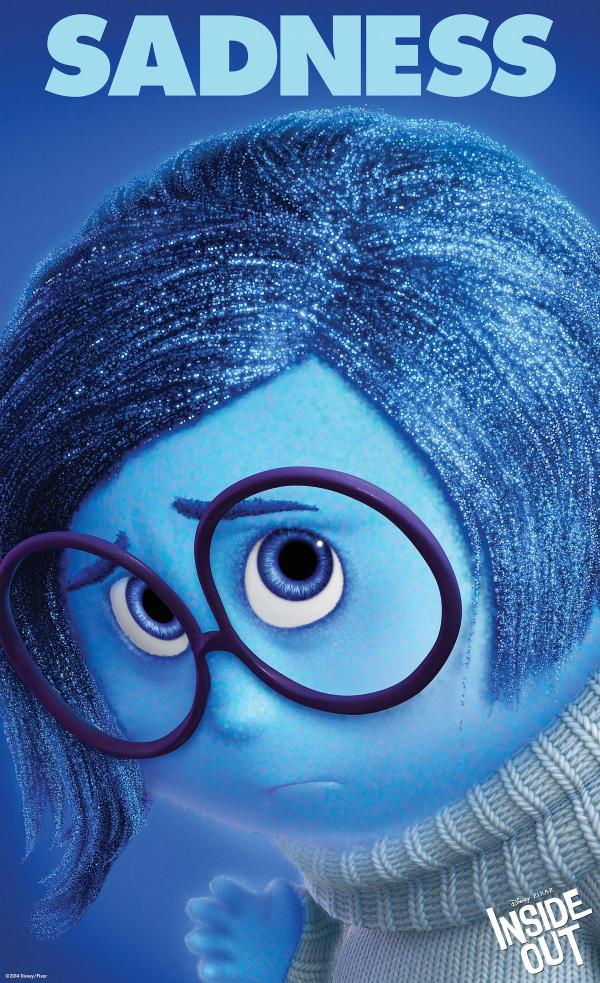
- Inside Out (2015), Pete Doctor & Ronaldo Del Carmen – Not just the best Pixar film in an age, one of their best ever. Probably their smartest. Love the creative way psychological concepts are presented, neuroscience and memory processing spring to life. It’s all so bloody beautiful. Presents some great lessons as well, particularly regarding the relationship between sadness and joy. Phyllis Smith gives a great voice performance as Sadness too. The adventure style story aspect was more successful than expected. And the editing, cutting between the spaces inside and outside the head, is exquisitely done. It’s actually a pretty dense film. Not in a way that makes it hard to watch, but in a way that makes me want to go out and watch it a bunch of times. Emotionally assured and hard hitting. Also so great to have a film with a female protagonist (well three actually). Totally focused in on that character and the minutiae of their experience.
- Ted 2 (2015), Seth MacFarlane – I sorta feel dirty liking this. Totally nothing storyline. But these films seem to blunt the worst of MacFarlane’s instincts. Plenty of laughs, some of them even surprisingly clever. The cast are all good. Amanda Seyfried, Marky Mark and Jessica Barth especially. Ted looks incredible too, and MacFarlane is much better as a voice performer. Though Alan Scherstul of the Village Voice did remind me there is a pretty terrible transphobic joke in here.
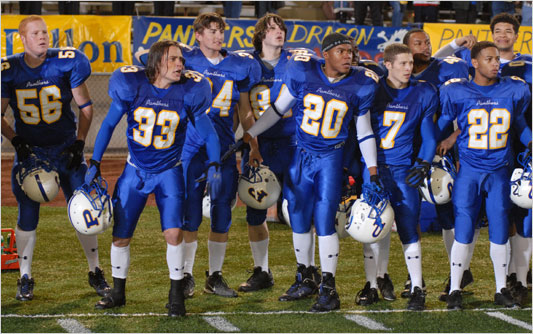
- Friday Night Lights Season 3 (2008), Peter Berg – Starts with a much lighter touch than the awful previous season, which is a good omen that mainly carries through. Taylor Kitsch is so good as Tim Riggins. They handle the abrupt, writer’s strike imposed ending to the last season well with a few flashbacks and then moving right on. At times, the season is almost a little too highly-strung, just needing to chill out a little. There is barely any focus on the on-field action this season, but the relationships between characters, especially that of Julie and Matt, are built to nicely. And the season finishes at the perfect point, with all the characters left in really interesting places.
- Friday Night Lights Season 4 (2009), Peter Berg – Hard to think of a more seismic shift between seasons. Coach Taylor takes over at a new, highly inept school. It’s a bold move with potential to emphasise sport as a vehicle for social change. And despite some concerns, it does so without being too condescending or twee about it. This season fills in the supporting cast with some interesting new faces, especially Madison Burge as Becky. Her platonic relationship with Kitsch’s Riggins feels really original. It’s a sharply written season. One of the strengths of the show as a whole is the interesting arcs for the lesser characters. Buddy Garrity’s comes to the fore this time. The acting is far better than average, Kitsch, Zach Gilford, Kyle Chandler and Connie Britten continue to be ace, and are joined by Michael B. Jordan, who is a simply exceptional performer.
Not Worth Watching:
- Splice (2009), Vincenzo Natali – There’s a lot of good elements here, but overall it’s a bummer. Sarah Polley and Adrien Brody impress as the leads. Design is interesting and it opens nicely with a real science focus. Plus technically the use of music and montage is very creative. And the thematic concern around the overlap between the natural and synthetic spheres is interesting. But, it gets really bland storytelling-wise. The focus on Polley’s maternal instincts never hooked me and felt too obvious a place to take it. In the end, that aspect of the story overwhelms the interesting beginnings.
- Don Jon (2013), Joseph Gordon-Levitt – Another where the reasonable amount of positives are outweighed by the negatives. Very much concerned early on with the male gaze, as Gordon-Levitt’s douchebag watches a shit ton of porn and picks up a different woman every night. The film makes some astute points through all of this, but that doesn’t necessarily translate to a good watch. It’s narratively weak and a little boring overall, with the characterisation being slightly off too.

- The Gallows (2015), Travis Cluff and Chris Lofing – I praised Blumhouse earlier, but this is arse. A cool title, cool opening and decent premise lead absolutely nowhere. Desperately unscary, this is a film that fails to deliver on any level. Worst kind of found footage film, both in conceit and execution. Barely even manages to muster the cheapest of scares. Zero characterisation and no story. The nature of the threat, its malevolence, never established at all. One good performance (Pfeifer Brown) and the fact it’s short are the only positives.
- Finding Fela (2014), Alex Gibney – Gibney has been hugely prolific of late, with little promoted biographical docos sitting alongside his heavily promoted ‘A’ material. Half of this is essentially an advertisement for a Broadway musical you have no reason to care about. This is a shame, because the in-depth analysis of Fela Kuti’s music is a definite highlight. It’s far too rare though. Despite some warts being on display, it’s also hard to escape the feeling that a lot of Kuti’s major character flaws have been sidestepped here.
If you only have time to watch one Inside Out
Avoid at all costs The Gallows
Related beermovie.net articles for you to check out: Worth Watching July 2014 and Worth Watching July 2012.
Like what you read? Then please like Beermovie.net on facebook here and follow me on twitter @beer_movie
The Beermovie Podcast Ep 2: Briony Kidd and Grace of My Heart
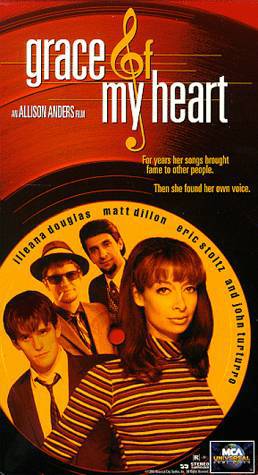
So it’s a little later than I had hoped, but episode 2 of the Beermovie Podcast is finally here. I think it is a pretty good chat, so hopefully it is worth the wait.
For this episode I am joined by Briony Kidd, who co-founded and programs the excellent Stranger With My Face horror film festival. As well as that, Briony is also a writer, director and screenwriting teacher amongst a bunch of other things. We have a great chat about all of Briony’s work and finish it off by talking about Allison Anders’ pretty incredible film Grace of My Heart (1996).
To have a listen, you can download it on iTunes here or listen on Soundcloud here. If you like what you hear subscribe, let me know and if you can, take the time to leave a review.
Amongst a bunch of random diversions, we manage to cover off on:
0.00 – Introduction & slightly random question, where should we find our next female directed Aussie horror fix
3.40 – Genre distribution in Australia
8.35 – The Stranger With My Face film festival
24.34 – Horror and feminism
31.55 – The difficulties of horror comedies
33.34 – Writing for screen & stage and the art of writing independently
42.14 – Alison Anders’ Grace of My Heart
You can check out the Stranger With My Face Film Festival here and follow Briony on twitter here. The Beermovie Podcast theme riff is by Horenco, who’s tunes you can check out here.
Related beermovie.net articles for you to check out: The Beermovie Podcast Ep 1: Paul Anthony Nelson and Ed Wood and Forgotten Filmcast Episode 22 (featuring me).
Like what you read? Then please like Beermovie.net on facebook here and follow me on twitter @beer_movie
The Thing
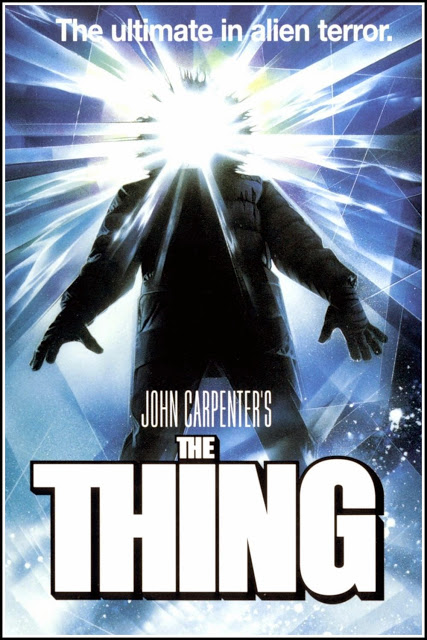
John Carpenter is one of the great genre filmmakers of all time with The Thing (1982) sitting alongside Halloween (1978), Big Trouble in Little China (1986), Assault on Precinct 13 (1976), Escape from New York (1981) and a bunch of others in his filmography. It is such a shame that he is not really working and as someone called for on Twitter we need a studio to give him a fat wad of money so he can pull a George Miller for us.
The set-up for The Thing is close to classic sci-fi 101, but in no bad way. Kurt Russel with one of cinema’s all time great beards and some other dudes are working in the harsh brutal isolation of the Arctic. Some ancient aliens get dug out of the ice and before you know it people are turning into slathering sorta alien things. But in the Animorphs/Body Snatcher style way where, at least initially, they look totally human. The plot is the classic sci-fi ‘aliens walk among us’ filtered through a proto-slasher structure. It trades nicely in that classical paranoia of who is human, and who is compromised. The lack of trust just totally eats away at people, all the while the audience is straining to guess who will be the next to die or to turn into some slathering bloody semi-human contraption. The opening shots, panning across the ice, establish the dual isolation and claustrophobia of the Arctic setting. As does a humourous early interaction between Russel’s R.J. Macready and a chess computer he derides as a “cheating bitch”. It’s a light and funny moment but it also captures the mental strain of where these men are working. The film does have some issues story-wise. The big bad is never established as well as it should have been and at one point the story seems to devolve into blokes just blowing shit up. However despite not possessing anything approaching the best horror narrative or even delivering the best horror ‘experience’, the film is still deserving of classic status, because the bits that are good are just so damn good.

Two technical aspects of the film elevate The Thing from assured genre film into the realm of classic – the practical effects by and Ennio Morricone’s work on the soundtrack. My notes for the film summed up this shift, with this extract capturing it: “oh yeah, once those effects started flying about, this got kinda awesome”. It did and it pretty much continues for the rest of the film. Indeed prior to the effects work raising up the film, it had been struggling to totally enrapture me. I was being kept at arm’s length by the assured, cool scientific feel to the story and script. The effects here are probably the best practical effects ever onscreen. But if not, then they are certainly the grossest, and yep I’m including The Fly (1986) in that discussion. My mouth literally dropped on a number of occasions, with moments like the autopsy scene or the dog metamorphosis being totally repulsive artistry. The effects are legitimately terrifying, even to this day. This is both on a visceral, gross level but also on an existential, body snatchin’, being absorbed level. As for the soundtrack, as great as Morricone is, I was a little bummed initially when I saw that he, and not Carpenter, was on scoring duties. I needn’t have worried though, because just as with the effects, Morricone’s work is quite simply about as good as it gets. From the very get-go the iconic composer brings gnarly atmospherics, plunging you into the isolated arctic freeze. The result of his score is that everything onscreen is amplified, the isolation or the visual beastly horror for example, without unnecessarily diverting the attention from the imagery at hand.

So beardy
Verdict: At times The Thing plays like an effects highlight reel scored by Ennio Morricone. Even just by itself that is no bad thing whatsoever, but throw in a little of Carpenter’s expert genre chops and Kurt Russel action leading man presence and beard, and you can easily see why this film is one of the 80s most beloved. A really fun genre experience. Pint of Kilkenny
Progress: 128/1001
Related beermovie.net articles for you to check out: Halloween Special: Halloween and A Fortnight of Terror Guest Post: The Evil Dead vs. The Thing.
Like what you read? Then please like Beermovie.net on facebook here and follow me on twitter @beer_movie
Worth Watching June 2015
Viewing (and writing) for June was dominated by the weekend dash to the Sydney Film Festival. Despite that, and a busy day job/personal schedule (hence this being so late into July), I still managed to cram a reasonable amount into the month, especially on the TV front. It was a pretty good one quality-wise too, with only a couple of minor duds. Share your thoughts below on these ones.
Worth Watching:
- The Mule (2014), Tony Mahony & Angus Sampson – Leigh Whannell and Angus Sampson write and star in this pretty surprising film. Surprising in the sense that my expectations were low for a film basically about a guy who can’t take a dump. It was sold that way, but the reality is that this is a really cleverly written and well acted crime film. An 80s period piece in which the drama is convincing and, with a few gross exceptions, the humour wry. Worth it just for Whannell, Sampson, Hugo Weaving and Noni Hazelhurst’s performances.

- Whiplash (2014). Damien Chazelle – This is all about the sound. Music shot like a thriller, jazz heavy soundtrack used in a major way, sound design that pops and rehearsals edited to feel like big sporting matches. It is prettily shot and constructed, even if the central conflict is perhaps not enchanting enough to carry the entire film. The film loses its kinetic freneticism for much of the third act too. J.K. Simmons is as good as advertised though and the thematic interest in the notion of artistic perfection, and the contrasting ways to get there is really well drawn.
- Esio Trot (2014), Dearbhla Walsh – This is a breezy, sharp adaptation of one of Roald Dahl’s lesser known, but most charming works that nicely emphasises his more absurd tendencies. The narration could be a lazy approach, but James Corden brings a fair bit of charisma to it. There is nothing too substantial here, but it’s hard to go wrong with a light, sweetly romantic tale starring Dustin Hoffman and Judy Dench.
- Killer’s Kiss (1955), Stanley Kubrick – Super early Kubrick is pretty creative noir focusing on a down and out boxer. Feels very hardboiled, both in look, dialogue and voiceover. It’s structurally funky with a good score too. The shooting is fun as well, first person shots and creative close-ups peppered throughout. A small feeling story that builds both its sense of dread and societal commentary (on rape culture no less) really well.

- Jurassic World (2015), Colin Trevorrow – The original film was a formative movie experience for me. This is a massively flawed effort, but it invokes the original enough to get a pass. Basically just anytime there are massive dinosaurs running rampant to a really good score, I’m on board. Anything else is pretty much rubbish. Pratt’s character is written to suck out basically all of his natural charisma, the story is overly complex with a woeful militarisation subplot, the character building throughout is super weak and the gender politics are bad. But did I mention dinosaurs? They look great and chomp numerous things. When they’re onscreen, this is pure joy. The rest is a poor man’s Spielberg homage.
- Dinosaur 13 (2014), Todd Douglas Miller – Another to feed my inner dinosaur nerd. Starts nicely with the beauty of the surrounds and the scarcity of T-Rex skeletons. Flips to an incredibly emotional tale of the government essentially stealing one of the greatest paleontological finds in history. Some of the interviews are really striking in their emotion. Initially the film reaches for a grand government conspiracy. But it actually finds it in the end. Really well edited, with a score that is surprisingly effective for a doco.
- Friday Night Lights Season 1 (2006), Peter Berg – The concept of high school sports, with the vibe of the whole town so wrapped up in how the team performs, is so foreign to someone from Australia. But this is a supremely well written soapy. At times the game is barely a focus, but the matches are shot really well. You can almost feel the physicality as the camera places you at ground level. The characters are rewardingly written and there’s a great portrait of a marriage at the centre. Kyle Chandler, Connie Britten, Zach Gilford and Taylor Kitsch provide the best of the performances. It’s all very silly and melodramatic, wearing its overt sentimentality on its sleeve. But damn it’s good at it.
- Orphan Black Season 3 (2015), Graeme Manson & John Fawcett – This season feels like it dials everything up –tension and narrative complexity in particular. The dense plotting is hard to follow. Or perhaps it’s because it’s been so long since I watched a show in the traditional manner of an episode a week. But it doesn’t detract from this being really watchable sci-fi, due in large part to Tatiana Maslany giving five or so of the best performances currently on TV. Very little downtime, they really ramp shit up here. I’m talking fingers in wounds, digging up baby corpses and exposed brains. Some really cool and violent action beats too.
Not Worth Watching:
- Friday Night Lights Season 2 (2007), Peter Berg – Starts off with one of the worst episodes of TV I’ve ever sat through. Basically trashes everything you loved in the first season and then goes with a huge plot point that does not jive with the show’s vibe. Overblown drama not fitting the tenor of the show. There’s some decent stuff throughout – Landry & Tyra’s relationship and Kitsch’s good performance as Tim Riggins, a character with a great arc. But the bad outweighs the good. Show just randomly forgets characters entirely, with no resolution. Which is apt in a way because that’s how this season ends, with the writer’s strike just stopping it abruptly. Daft.
- Camp X-Ray (2014), Peter Sattler – Starts promisingly. Silent impactful shot of a burning twin tower, quickly plunging us straight into Gitmo. But from there, the film cannot overcome the cloying premise– Kirsten Stewart’s rookie guard befriending an inmate. The script is clunky and the illogicalities in process & procedure distractingly huge. Stewart’s performance is excellent, she feels more genuine that on occasions. The film also does a good job of establishing the daily grind of working life at Guantanamo. But these good elements are undercut by the poor story.
If you only have time to watch one Friday Night Lights Season 1
Avoid at all costs Friday Night Lights Season 2
Related beermovie.net articles for you to check out: Worth Watching June 2014 and Worth Watching June 2012.
Like what you read? Then please like Beermovie.net on facebook here and follow me on twitter @beer_movie
SFF 2015: Me and Earl and the Dying Girl
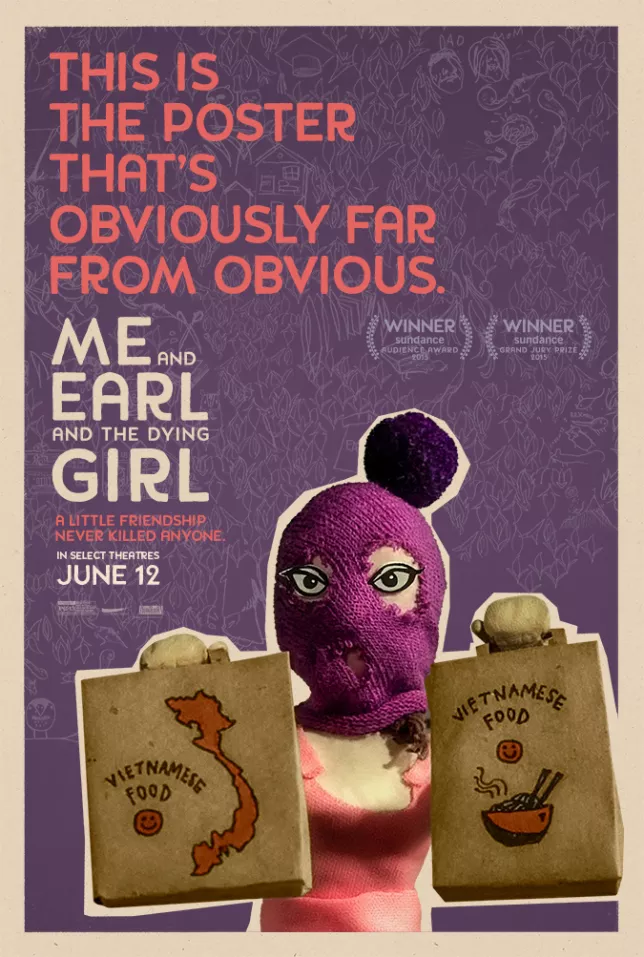
Me and Earl and the Dying Girl (2015) got an interesting reception at the Sydney Film Festival. The crowd around me were rapturous. Tears flowed and raucous laughter was commonplace. So it was not surprise that the film took out the audience award. But amongst some of the more ‘hardcore’ festival attendees, the film was pretty much dismissed as a poorly written hipster piece.
Whilst I really like the film, I can respect the latter point of view. Me and Earl and the Dying Girl did not particularly feel like a ‘festival’ film, particularly not a competition entrant, lacking the requisite toying with the form or serious exploration of theme that one expects. There is also little doubt that some aspects of the film scream indie charmer 101, especially early on. A voiceover, some claymation touches and Be Kind Rewind (2008) style remakes make the early sequences overly contrived. But the film quickly settles in and for the most part feels a lot less cloying. The film focuses on Greg and his friendship with the titular dying girl, Rachel. Greg’s mum (played by Connie Britten one half of the greatest cast parents in film history alongside Nick Offerman) forces Greg to reach out when Rachel contracts cancer. Their forced alliance gradually gives way to genuine friendship as Greg manages to provide Rachel with exactly what she needs. Earl is the main supporting character, played by RJ Cyler. Earl is Greg’s best mate who assists him to make a series of comedic, very low budget home movie remakes of arthouse classics. Perhaps more than anything it is this succession of amusingly titled remakes that make the film a good fit for the festival, putting the film’s love of cinema front and centre. The film was also a good fit for the 9:30am timeslot I saw it in. It is uproariously hilarious as well as emotionally resonant. The energy, whilst it shifted, was always there. Helped along by a score which I really dug, that turned out to be from the rather unlikely source of Brian Eno!
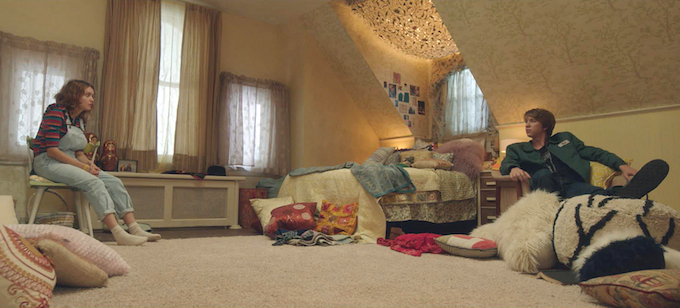
The film tells two stories, though both of them are from Greg’s point of view. The first is basically a teen film with him as the protagonist. He goes about trying to remain invisible and just survive the torrid high school years, whilst also attempting not to be too much of a self-centred asshole along the way. The second story is that of Rachel’s battle against illness, which contains the real emotional heart of the film, though still always seen from Greg’s perspective. Greg is a very sharply written character, the script and Thomas Mann’s performance combining to really nail the awkward jokiness of a teenager. The whole film is really well performed. The potential of Britten and Offerman as a couple is wasted a little, but they both do predictably very well with what they have. Cyler is really hilarious as Earl, one of the better best friend sidekicks for a while. But the real star is Olivia Cooke as Rachel. Hers is a really genuine performance, especially in the big emotional moments. Whilst the script occasionally veers toward the manipulative, the performance never feels that way and she is the real heart of the film. The plot suffers when her character disappears for a stretch through the middle of the film, which is one of the few failings of the script. Actually the script also delivered my major issue with the film. I can’t go into specifics without giving away spoilers (can discuss in the comments if you’ve seen the film) but basically I think the script betrays the audience in a very major way. In the immediate aftermath of seeing the film, it actually kind of ruined the experience for me, though that has faded quite a bit and I reflect a lot more positively now.
Verdict: Me and Earl and the Dying Girl is the kind of film to see in a big crowd. Get swept up in the love of cinema it has and the feelings it draws out of people. Occasionally its indie charm crosses over into insincerity, but when avoiding that the film is a real joy. Pint of Kilkenny
Related beermovie.net articles for you to check out: SFF 2015: The Look of Silence and SFF 2015: These are the Rules.
Like what you read? Then please like Beermovie.net on facebook here and follow me on twitter @beer_movie
SFF 2015: These are the Rules

These are the Rules (2014) is a film that was not on my radar heading into the Festival. It just so happened that I had an unexpected gap in my schedule and decided to add another film in… I probably should have just gone and had a couple of beers to be quite honest.
There is some initial promise as the film sets up its drab, washed out cityscape, all urban sprawl painted in greys. However after the film establishes this nice sense of place, it quickly gives way to a boring few rooms where the action takes place, discarding the cityscape. The film does succeed in painting that overt suburban aspect though. Familial dramas that escalate as the film progresses, at least somewhat. The script lumbers along though, not always feeling real to life, which you suspect is much of the point. Plot wise, the film focuses on a family, a teen returns home after a night out having been bashed. As his condition worsens, his parents attempt to ascertain exactly what happened to him, and to get some people to care about it. It is from this perspective that the film does make some interesting societal points. In particular Croatian bureaucratic institutions – ambulance, police and hospital – are derided in a somewhat effective way.
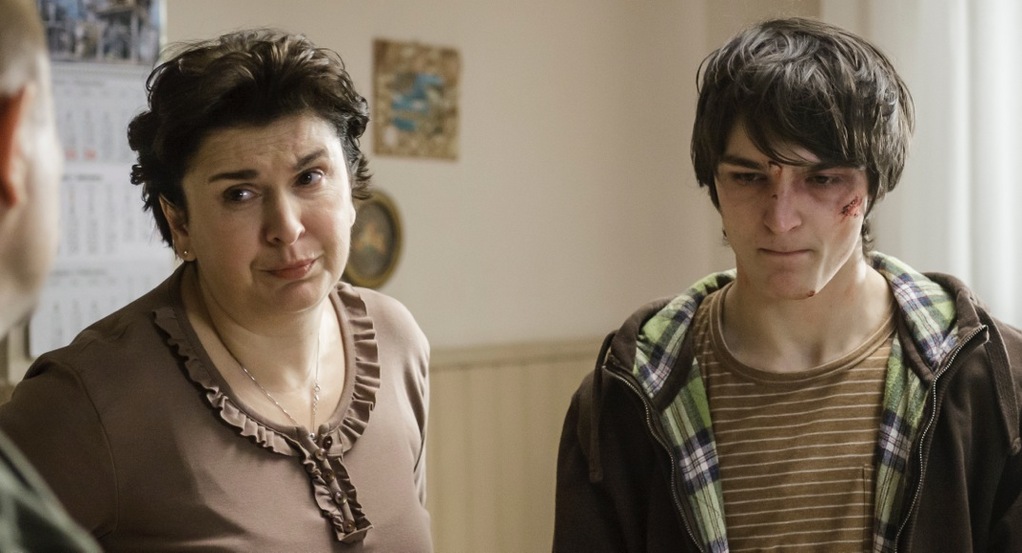
Stylistically the film is naturalistic on a number of levels. It is shot simply and competently, though it never makes you feel like you are watching something any more cinematic than a run of the mill TV drama. The acting is similarly understated but at least on this front that assists the film meet its goals. In particular the Peter Lorre lookalike Emir Hadzihafizbegovic as a concerned father is very good, managing to convey the emotional torment he is suffering through relatively well. There is a weight hanging over the film, the whole thing has a sad atmosphere to it. Which is in and of itself not a criticism but it never feels meaningful under that weight, not helped by the fact the film is totally humourless. Overall any impact the film manages to have simply comes from that inherent in the situation being depicted. Not the skill of the filmmaking or storytelling.
Verdict: Ultimately, These are the Rules is nothing more than a slow domestic drama, heavy on the domestic and low on the drama. Feels like a million other films you’ve seen before at a film festival and I was simply not at all fussed by the whole thing. Bland. Schooner of Carlton Draught
Related beermovie.net articles for you to check out: SFF 2015: The Look of Silence and SFF 2015: Love and Mercy.
Like what you read? Then please like Beermovie.net on facebook here and follow me on twitter @beer_movie
SFF 2015: The Look of Silence

Director Josh Oppenheimer burst on the scene with The Act of Killing (2012) a devastating and creative documentary that challenged a lot of notions about objectivity in the doco space. Now he returns with The Look of Silence (2014) continuing his cinematic exploration of the horrific and under-told story of the Indonesian genocide.
The Look of Silence, at least on a surface level, takes a more conventional approach to exposing these dark chapters of Indonesia’s past. Oppenheimer focuses on Adi, an optometrist whose brother was murdered during the genocide. Oppenheimer and Adi meet the men who killed his brother and follow the leads up the chain of command. Adi is an incredible character, retaining a quiet resoluteness in the face of revelations that would break pretty much all of us. Adi’s silent stoicism, oozing grace and strength, contrasts starkly with the murderers he confronts. They bluster, trying to intimidate him with swagger and bravado, but in doing so they merely reveal the depths of their cowardice. When he refuses to run away scared, they basically shit themselves, unable to own the sins they committed.

It is interesting to consider the film in relation to how it interacts with the first one. It is focussed on the same genocide and in similarly graphic detail on specific murders. It also retains the horrifying absurdity of the earlier film. Though this time that absurdity comes not from the challengingly playful style of The Act of Killing, but simply thorough the horrific callousness and overwhelming meaninglessness of the crimes. There is something almost muscular about this film and perhaps the most powerful moment of all comes in the closing credits. Just like in The Act of Killing, they are peppered with numerous appearances of ‘Anonymous’ throughout the crew. It speaks to how suppressed and systematically frowned upon any truthful discussion of the genocide remains in Indonesia remains some 60 years after the events took place.
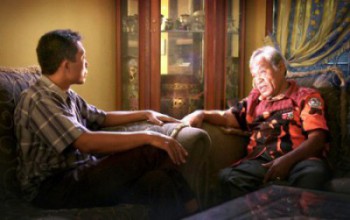 Another exhibition of the pervasiveness of the official narrative comes when Adi lays down a ‘people’s history’ for his son. He subverts the official narrative and you can almost pinpoint the exact moment the little kid’s mind is blown. It feels almost like the moment you found out Santa Claus is not real (spoiler alert), but just on a much more important and weighty matter. This is one of many moments that make The Look of Silence a much more personal film than its predecessor. Much of this is down to the fact that the film focuses so heavily on Adi and the murder of his brother. It is a much more comfortable in for the audience. It is easier to identify with a man who has lost his brother compared to a mass murderer (though I acknowledge we are in no way meant to sympathise with Anwar and co in the first film).
What sets Oppenheimer apart from mere mortal documentarians is his power as a storyteller. He is able to see the facts, see the injustices. But he does not simply put them on screen, he creatively interrogates them and brings out specific points for the audience to be shocked and challenged by. In this film, the themes of violence, the dangers of the concentration of power are greatly enhanced by his phenomenal storytelling nous. It is that skill which allows him to make universal points out of very specific incidents. Not sure that anyone has ever captured pure evil onscreen quite like him, at least not in a very long time.
Verdict: The Look of Silence is the best film I saw at SFF and it is not even a close race. It is a great film, probably the best I have seen yet this year. An incredible companion piece to The Act of Killing, different and yet equally as good. Perhaps even better. This is a film that will affect you in a borderline physical manner. Longneck of Melbourne Bitter
Related beermovie.net articles for you to check out: SFF 2015: Tangerine and SFF 2015: Love and Mercy.
Like what you read? Then please like Beermovie.net on facebook here and follow me on twitter @beer_movie
 Beermovie.net