A Fortnight of Terror: The ABCs of Death
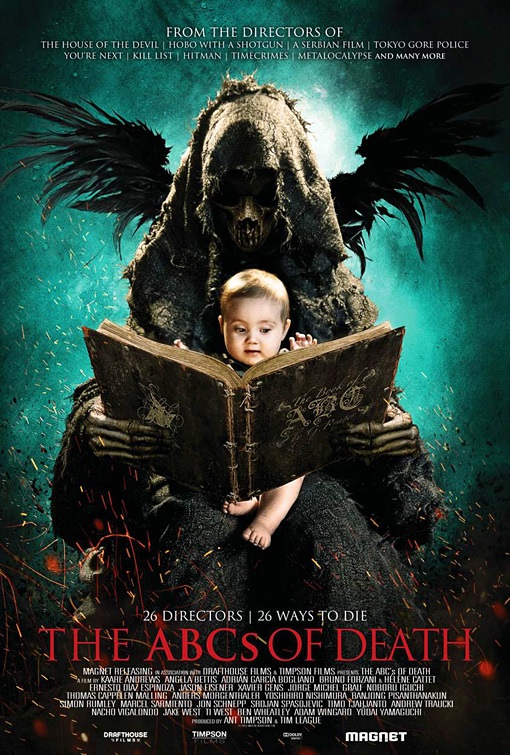
Anthology films are a strange beast. They allow for short sharp bursts of inspiration, but are also at the mercy of their weakest parts.
As far as ideas for anthology films go, the one for The ABCs of Death (2012) is pretty exceptional. 26 different directors were each given a letter of the alphabet and a $5,000 budget (so when you think of it, this is an exceptionally cheap feature length film that I suspect has made its budget back many times over). They were then given the artistic freedom to come up with a form of death starting with their assigned letter.
The end result is perhaps unsurprisingly, patchy. I thought with this review, I would institute a highly innovative and new patented rating system for each short of Awesome, Decent and Rubbish. After the short individual reviews, I will give some thoughts on how I feel the film functions as a whole. Here we go.
- A is for Apocalypse (Nacho Vigalondo) – A relatively funny little experience with unfortunately terrible special effects. A silly final twist that falls flat is unfortunately the first of quite a few. Decent
- B is for Bigfoot (Adrian Garcia Bogliano) – Cool old school conceit of telling a child a scary story to make them go to sleep (for the purposes of having a youthful root rather than getting them to sleep on Christmas Eve though). Story is really wordy and the ending of this one is not just stupid, it fails to connect the film to the title. Rubbish
- C is for Cycle (Ernesto Diaz Espinoza) – One of the more experimental films in form is also one of the better ones. None of the other 25 build tension as well as this one. Plus any film with a mysterious portal is more than fine with me. Awesome
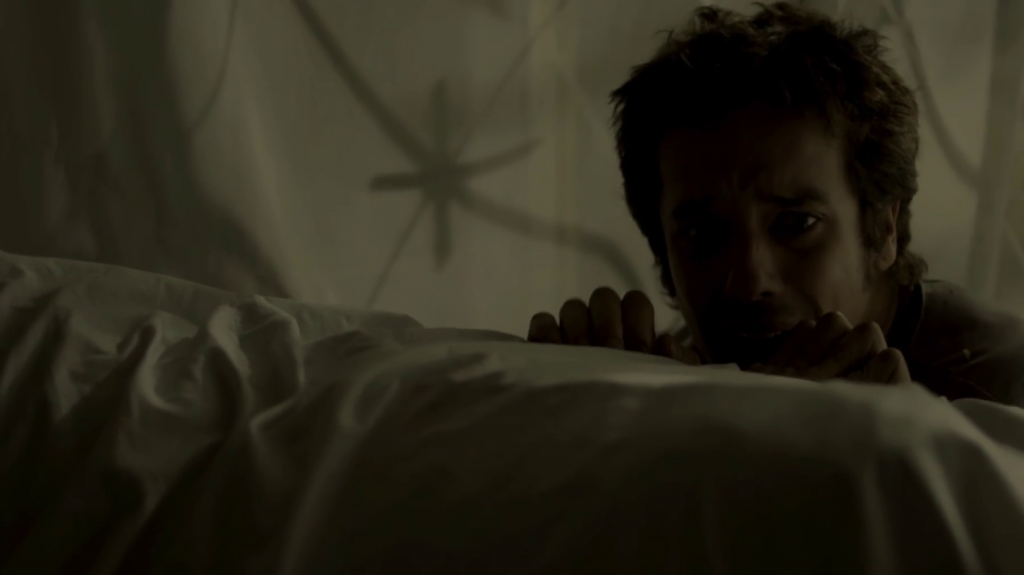
- D is for Dogfight (Marcel Sarmiento) – This takes place in a nicely shot (all slow-mo) underground fighting ring. This is a personal thing, but I really don’t like films that present animals in this way and I thought it was a bit nasty. A nice little twist ending doesn’t hide the fact there is no ability to fashion a story here. Rubbish
- E is for Exterminate (Angela Bettis) – An interesting look at the passage of time is wasted by an annoyingly CGI spider and poor acting all round. Rubbish
- F is for Fart (Noboru Iguchi) – Surprisingly this is actually even more crass and immature than the title suggests. A sprinkling of lesbian desire is thrown in to add to the feeling that a 14 year old boy made this. Disgusting. Rubbish
- G is for Gravity (Andrew Traucki) – The Aussie Traucki gets things back on track with one of the artier shorts. Shot from a cool first person point of view and making use of some beautiful beach scenery more than cancels out an oblique ending. Awesome
- H is for Hydro-Electric Diffusion (Thomas Malling) – It is hard to hate something this absurdist. It is also hard to make something this absurdist truly work and connect. A gentleman’s club for dogs. Featuring a cat… and Nazis. This shit is both whack and whimsical. Decent
- I is for Ingrown (Jorge Michel Grau) – No absurdist fun here, this is dark, troubling and atmospheric. Whilst it is hard to watch it is also really nicely put together and thought provoking (the latter attribute is something quite lacking in these shorts, even amongst the ones I enjoyed). Awesome
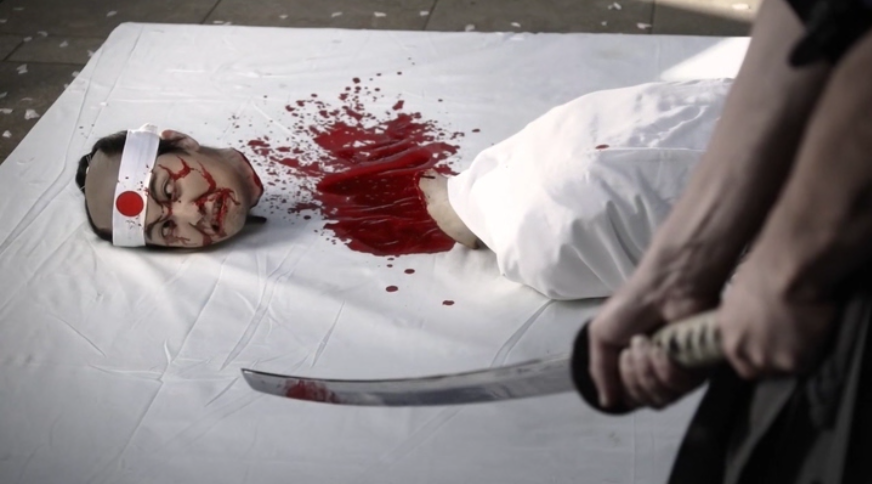
- J is for Jidai-geki (Samurai Movie) (Yûdai Yamaguchi) – This is really quite funny and does not go all out stupid on the comedy like some of the others. The very cool effects don’t hurt either. Decent
- K is for Klutz (Anders Morgenthaler) – Oh excellent, some constipation and shit to go along with the earlier farting. An annoying cartoon with poor animation. Rubbish
- L is for Libido (Timo Tjahjanto) – And this is where the film as a whole really lost me. I generally am not offended by films, but I found this short to be offensive. It wasn’t just enough that I had real issues with the way it approaches notions of beauty and desire. The use of paedophilia here makes it one of the most confronting things I have seen on film. When you shock, you need to be incisive in some way or you are just being manipulative and tasteless. That is what this one is, and I just wanted it to be over. Rubbish
- M is for Miscarriage (Ti West) – My above comment about being incisive rings true for this as well. Miscarriage is such a sensitive topic for so many people and I don’t think this is respectful of that. At this point, the reliance on body style horror was really getting tiresome. Rubbish
- N is for Nuptials (Banjong Pisanthanakun) – Starting with a super sweet proposal, this one is actually pretty funny and manages to embrace sex in a humorous way. I’m not sure it’s a horror film though. Decent
- O is for Orgasm (Bruno Forzani & Héléne Cattet) – So beautifully shot it could be the Terrence Malick entry. O is also for obscure as shit though. Decent
- P is for Pressure (Simon Rumley) – This has a really gritty, ‘street’ feel to it. A prostitute looking to provide for her family. This is another really confronting one, but at least here there is a semblance of commentary. And the way that the film represents the title is the best of the lot. Decent
- Q is for Quack (Adam Wingard and Simon Barrett) – This is a really quite hilarious and meta entry into the anthology. Analyses the process that goes into making one of these segments. Very clever and incisive. My favourite of them all. Awesome

- R is for Removed (Srdjan Spasojevic) – This is a really graphic entry that is one of many to tap into the whole notion of spectatorship. Combining gross body horror with allusions to film and managing to look really great for the budget, it is just a little let down by the rubbish effects shot that concludes the film. Decent
- S is for Speed (Jake West) – Woah the acting in this is terrible. However this actually ends up having one of the most powerful stories of the lot, delivered through a really well crafted narrative. Decent
- T is for Toilet (Lee Hardcastle) – Not sure you can go wrong with a claymation short about a killer toilet. The animation looks great and it is awesomely graphic. The only thing it really has going for it is the animation. But that one thing is really fantastic. Awesome
This one has also been posted on Youtube by the director so check it out here:
- U is for Unearthed (Ben Wheatley) – This is another that uses a first person shooting style to great effect. The style really adds to the action and sense of mystery, whilst also probably helping to keep the budget down. Decent
- V is for Vagitus (The Cry of a Newborn Baby) (Kaare Andrews) – Very high concept (for the budget at least) sci-fi entry. A bummer then that the story is just severely lacking for what they were aiming for. Rubbish
- W is for WTF! (Jon Schnepp) – Another self-reflexive one sees different W ideas being tossed around. To be reflexive like that without being pretentious is tough to do, but this manages it. Does get a little too all over the shop though. Decent
- X is for XXL (Xavier Gens) – With its very visceral scenes of overeating this is another challenging one. The main performance is very good. And the bloody and brutal approach does not stop the film having some pertinent things to say about body image. Decent
- Y is for Youngbuck (Jason Eisener) – A Klaus Kinski rip-off in something looking like a music video. But a really fucked up and crap one from the 80s. Rubbish
- Z is for Zetsumetsu (Yoshihiro Nishimura) – More of this notion of the spectator on voyeur. But this one is overwhelmed buy being nonsensical and graphic. Boobs, dildos and lesbian pashing to appeal to the teens. Rubbish
Overall I think it is fair to label The ABCs of Death as a pretty big disappointment. Whilst the early entries were definitely lacking on occasions, there was actually enough wit, originality and fun in the ideas to win me over. However after the nastiness of L is for Libido and to a lesser extent M is for Miscarriage, the film lost a lot of goodwill with me. There is a lot to like here. If you are able to find the films individually, then I would really recommend that you seek out the films I rated as Awesome or even Decent. Save yourself the trouble on the others though which are really quite poor and at times offensive. Which is a shame, because even for all its faults there is a lot to applaud here. Not the least of which is a relatively global list of directors, locations and cultures captured, which is a really pleasant surprise and helps to add some texture to the film as a whole. Hopefully The ABCs of Death 2, which is due next year, can improve some of the quality control issues this film has.
Verdict: Schooner of Carlton Draught
Over this fortnight, you have the chance to win an as yet unconfirmed (but definitely choice) prize courtesy of Madman Entertainment, so be sure to get liking and commenting to go into the draw.
Like what you read? Then please like Not Now I’m Drinking a Beer and Watching a Movie on facebook here and follow me on twitter @beer_movie.
A Fortnight of Terror: Intro & Comp Details
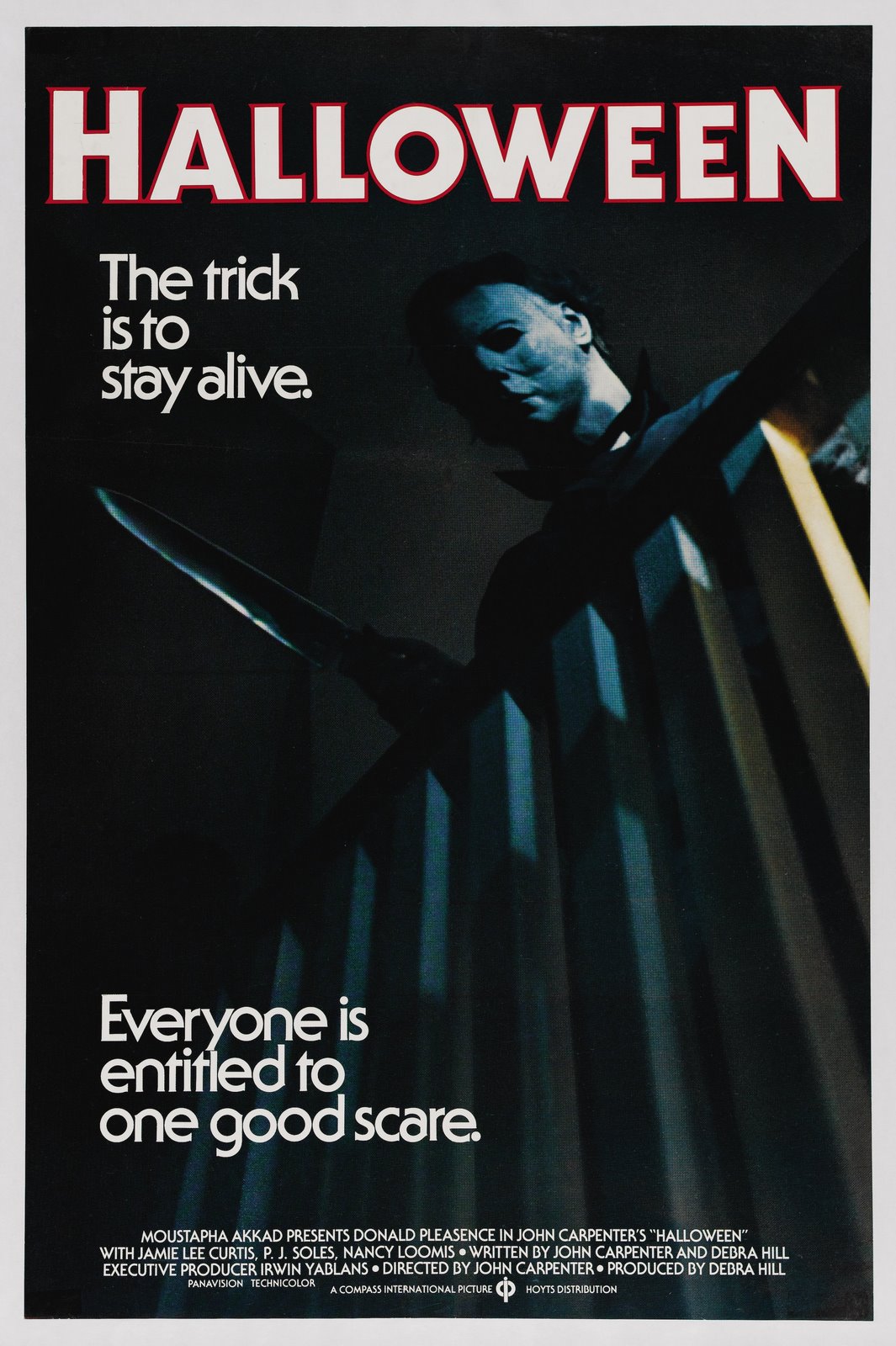
October means Halloween for many people. I am not really one of those people. Being an Aussie, the holiday is, well not really a holiday here. Having said that, I have gotten increasingly into horror films over recent years, so any excuse to watch a buttload of horror flicks is a good one in my book. So over the next 14 days in the lead up to Halloween, I am going to be covering a huge range of horror films here on the site, hopefully capturing everything from iconic classics to the latest releases.
To go along with my usual ranting and reviews, I also have 4 or 5 great guest posts lined up as well, from some awesome writers. The first of these should hit the site tomorrow with others to follow regularly over the fortnight.
There will be a DVD prize courtesy of Madman Entertainment on offer as well. I have not confirmed the exact prize as yet, but will keep you all updated. In any case, rest assure it will be awesome.
Entries to the comp will be open to all readers worldwide. To enter, do any/all of the following for each of the posts over the next 14 days:
- Like the post on Facebook for one entry
- Comment on the post on Facebook for two entries
- Share the post on Facebook for two entries
- Retweet the post on Twitter for two entries
- Like the post on this site for one entry
- Comment on the post on this site for two entries
To kick things off, give me your top 3 horror flicks of all time in the comments section below.
Like what you read? Then please like Not Now I’m Drinking a Beer and Watching a Movie on facebook here and follow me on twitter @beer_movie.
Worth Watching September 2013
Hey folks. So this one is a little late. My focus on Japanese cinema ran overtime, I have been madly prepping for a bit of a Halloween countdown and also attended a film festival. In any case, here is Worth Watching for September. A mixed month, with a couple of cracking docos counterbalanced by probably my biggest disappointment of the year so far, in a rare month where my not worth watchings outnumber my recommendations (possibly only the second month this has happened in the past three years I have been doing this). Read on and be sure to share your thoughts in the comments below.
Worth Watching:
- The Woman Who Wasn’t There (2012), Angelo Guglielmo – This brings an aspect of 9/11 to the screen that I have rarely seen examined, namely the survivors of the attacks, their guilt and experiences. It is an incredible tale. A woman purports to be a survivor of the attacks even though she was not even in the country. Mind boggling stuff. Really stylishly done, with cool art work of what supposedly happened utilised. Well worth a watch.
- Russian Ark (2002), Alexander Sokurov – This is a good film, but for me not the all out classic that it is for some people. At over 90 minutes long and only one take, it is possibly the ultimate example of style over substance. As a sheer technical marvel, it does need to be seen to be believed, and it is utterly beautiful. I have to say though, it is pretty dry, getting by a little bit on the idea rather than the execution. See it, but once will be enough.
- The Tillman Story (2010), Amir Bar-Lev – The second really interesting doco of the month is an incredible story focusing on Pat Tillman who gave up an NFL career to go to war. His eventual death and the story surrounding it is all about the cult of military heroism. The way his passing was adopted by the public and taken away from his family is reprehensible. But awesomely his family pushed back at that and at least in part exposed a horrific cover up. Another example if you needed one of both the evil of war and the current state of militarism.

Not Worth Watching:
- Kick Ass 2 (2013), Jeff Wadlow – Wow what a shattering disappointment. This sequel to my favourite film of 2012 is not just a let-down in comparison, but simply a terrible film. The lessened involvement of Matthew Vaughn hurts, because no one is in control of this material. The repeated and shockingly bad projectile vomit joke is simply not what these films are about. In addition the realism that was so important in grounding the action of the first film is completely abandoned. Not to mention that the film looks terrible, with a befuddling reliance on CGI, made all the worse by the fact most of it is early 90s standard.
- We’re the Millers (2013), Rawson Marshall Thurber – A bloody terrible film. I cannot recall a more utterly predictable and lacking in edge film experience this year. Aside from the stunt casting of Jennifer Aniston as a stripper, the cast manage to be decent, in particular Emma Roberts and Will Poulter. But the material is so bland and weak that they cannot elevate this whatsoever.

- This is 40 (2012), Judd Apatow – Why the fuck does this film need to be 2 hours and 10 minutes? Peter Jackson must have been a producer or something. I have real issues with the character played by Leslie Mann. A whiny, typically clichéd whinging woman with no depth to her. Indeed all the characters are utterly unlikeable. Not to mention this whole Apatow conceit of letting people sort of adlib lines has become so obvious and stale. Terribly, terribly written. Women are different to men. Lolz. I literally feel I lost IQ points watching this film.
- You Will Meet a Tall Dark Stranger (2010), Woody Allen – Immediately feels like a Woody Allen film and like all his contemporary work has a great cast. Their performances vary wildly though. Naomi Watts is really good, Frida Pinto is quite clunky whilst Josh Brolin gives a flatter performance than I have ever seen him deliver. It is basically just a bunch of interlinked stories of adultery. Is that meant to be romantic? Far from Woody’s best script as well.
If you only have time to watch one The Woman Who Wasn’t There
Avoid at all costs Kick Ass 2
Trailer for your Weekend: The Hobbit: The Desolation of Smaug
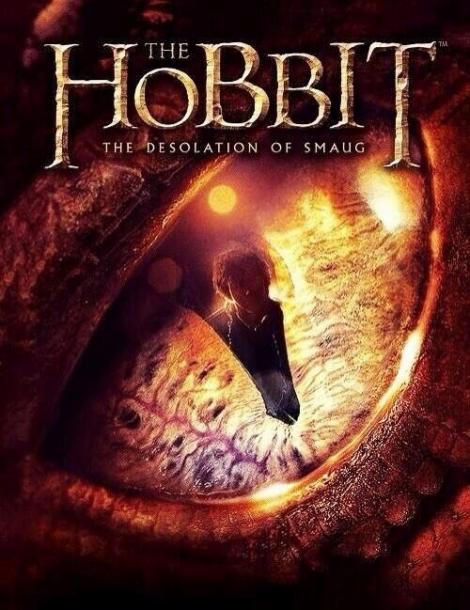
Somewhat controversially, Peter Jackson’s first Hobbit film was my least favourite of last year. Says a lot about him as a filmmaker and my love for his Lord of the Rings films that when a mate told me that there was a trailer up for The Hobbit: The Desolation of Smaug, I felt the need to check it out ASAP.
My verdict? I’m just not sure. I really want it to be amazing. I still have this horrid fear that it will be bloated and plainly drawn out far too long. I definitely won’t be seeing it in the turgid 48 FPS that Jackson seems to love, but even so, the visuals look a little cartoonish just in this trailer. Let’s hope Jackson gets it right this time though. The teaser of Smaug in this trailer definitely leaves me wanting more.
Like what you read? Then please like Not Now I’m Drinking a Beer and Watching a Movie on facebook here and follow me on twitter @beer_movie.
The Cinema of Japan: Yojimbo
Here we are with the final post in my week (and a bit) focus on the cinema of Japan. I hope you guys have enjoyed these posts and thanks to the guest bloggers that have helped me along the way. Don’t forget that you have a shot at winning three Japanese films from Madman and entries will close a week from this post going up.
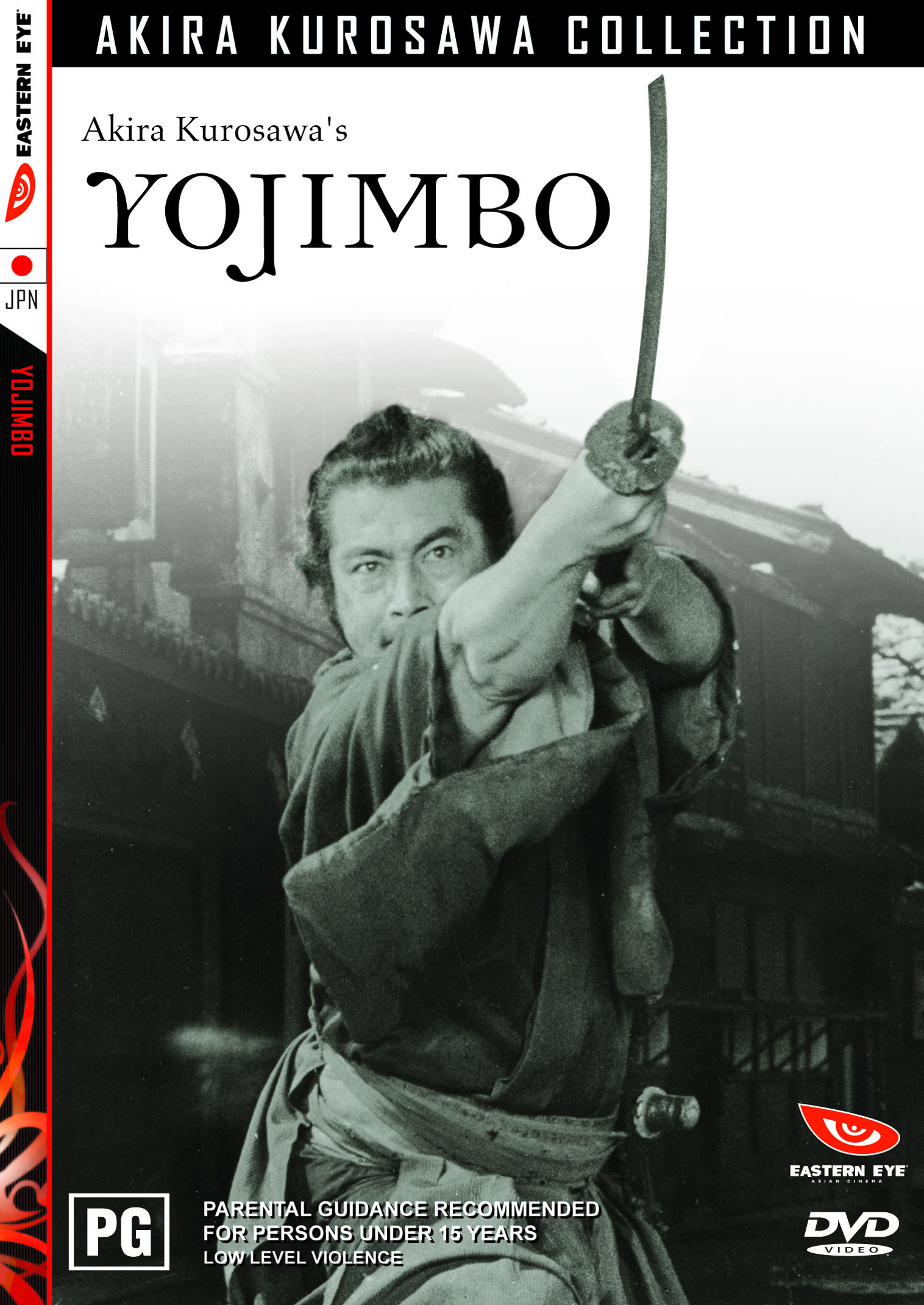
It is a little surprising that Akira Kurosawa’s iconic Yojimbo (1961) does not feature on the 1001. I have seen a few of the great man’s films, but this is the first from what I guess you would call his really classic, samurai focused phase that I have managed to catch.
Apparently this film had a particular influence on (or even just supplied the entire plot for) a whole bunch of Western films. Even if you did not know that fact going in, it is pretty plain to see. A lone, violent man called Sanjuro saunters into town. He attracts the attention of the locals who are transfixed by this stranger. The town that Sanjuro wanders into is in the midst of a bloody and closely fought gang war. After showing his prowess by slicing and dicing a couple of hapless minions, he is courted by both sides looking to buy themselves some muscle. It is these really well scripted negotiations with both sides that take up a majority of the film’s running time. These elongated sequences of both sides bidding for his services are really interesting. They are quite detailed and multilayered, but the script is good enough not to need to get unnecessarily (or even at all) dense. Not get too concerned though. This isn’t Margin Call (2011) with everyone sitting around the boardroom table talking shop. There is plenty of quality sword fighting action to go around as well.
 Sanjuro is actually a really interesting central character. He is I guess an anti-hero. For much of the film he is pretty unlikeable as he plays a bunch of (all admittedly unlikeable) people off against one another. Not exactly noble, he is content to sell himself to the highest paying crew, or preferably just rip them all off repeatedly, causing chaos in the town in the process. As such, it is a bit of an abrupt change where toward the end of the film, we as the audience are meant to now sympathise with this character, because up to that point he has done nothing in the slightest bit heroic. I kind of respected him as a dude who walked to the beat of his own drum the whole way through, but there is a definite jump from that to out and out sympathy. In the end though, after a fair dose of humility is beaten into him, it is hard not to feel the exact things for Sanjuro that Kurosawa was angling for the whole time. It just takes him to be literally beaten down so badly that it is borderline impossible not to feel sympathy for the man for this to happen. The character is played really well by Toshiro Mifune, one of Kurosawa’s creative muses throughout his career. He brings a searing, yet quiet intensity to the character of Sanjuro, keeping his motives hidden from the rest of the characters, but letting them know he definitely always means business.
I am not sure if there is folk source material behind Yojimbo that I don’t know about, but this pretty cool tale definitely did feel like an old fashioned fable to me. Bound by a single town and for much of it consisting of negotiations, it is lucky the script is so good. It is also refreshing in an age of ultra-seriousness in serious film, that this particular flick is not afraid to add in a rich sense of humour to the action. I am not sure if the soundtrack was influenced by classical Westerns or influenced them. But there is clearly some cross-pollination one way or the other which that just feeds into the notion that this is an Eastern Western of top class.
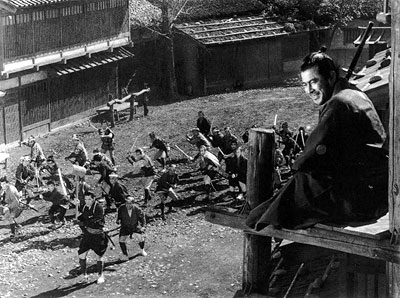
I can definitely see why Yojimbo is not just one of Kurosawa’s most famous films, but also a highly influential one in world cinema. As possibly the best samurai film I have ever seen, a distinctly Japanese genre if one exists, this is a highly apt way to finish off this look at the Japanese cinema.
Verdict: Pint of Kilkenny
This week thanks to Madman Entertainment, you have the chance to win a copy of AceAttorney, Black Belt and Yojimbo on DVD. Head here for all the details on how to enter.
Like what you read? Then please like Not Now I’m Drinking a Beer and Watching a Movie on facebook here and follow me on twitter @beer_movie.
The Cinema of Japan: Black Belt
My week focusing on Japanese cinema has unfortunately blown out a little. That is due to me attending the Blue Mountains Film Festival (where I programmed the feature films) and having far too much fun to write as much as I planned. So the week will just be slightly elongated, with one more post to follow this one. Entries for the competition will close one week after that final post is published.

From the get-go, Black Belt (2007) attempts to ground itself in the history of karate. The film opens with black and white still photos bringing to life the historical background to the film. Whilst the film shifts into a conventional narrative, it still taps into the detail and nuance of the art of karate throughout. Whilst it branches out heavily from the narrative starting point, Black Belt is at its heart a story of succession. The sensei of a dojo dies, leaving his three main students to decide amongst themselves who should inherit his black belt. Alongside this there is another tale of a rather pantomime villainous general who interacts with these fighters, attempting to use their skills to close down dojos and replace them with brothels. This aspect of the film is perhaps less enjoyable than the conflict of fighting styles and philosophies between the sensei’s students, which kind of gets forgotten for large swathes of the film. The film can be a little wooden throughout, but there is no doubt that it utterly kicks ass once the action starts up. It promises high quality and authentic fight scenes and does not disappoint. Except for perhaps a final action sequence that is intentionally made to be a little sluggish. A risk that I did not think entirely paid off. But one that I can sort of let slide, because it is the kind of risk the rest of the film could have perhaps used a little more of, with some of it being a touch obvious and clichéd.
 What sets this film apart from a myriad of others is the detailed exploration of the philosophy behind the art, or more precisely the differed philosophies behind the art. To see two different stylistic approaches to a single martial art in a single film is something really quite original to behold. The main conflict in the film comes from two of the students vying for the belt. One rigidly follows the teachings of their sensei and refuses to strike back at his opponent or utilise kicks, instead using defensive techniques only. This is contrasted with the differing approach of his peer who incorporates vicious attacking striking on top of the defensive skills that he learned from his sensei. This character is Taikan, who is easily manipulated and bought into doing the General’s bidding. However the change to become the General’s lackey is quite abrupt and could have used some more explanation straight off the bat. Acting wise, Black Belt is a mixed bag. The performances in the main parts are solid, though these parts are filled with actors probably chosen more for their fighting chops rather than their acting ones. It has to be said though that some of the performances in smaller roles are a little tepid.

This review has perhaps come off reading a little more negative than I had intended. Let me emphasise that the action sequences in this film are incredible – highly technical, vicious and smoothly pieced together. They also bring to life the two different philosophical approaches to karate that the film showcases, which is just such an interesting approach to take. The rest of the film is by no means bad; it just struggles to match up to this very high standard.
Verdict: Stubby of Reschs
This week thanks to Madman Entertainment, you have the chance to win a copy of Ace Attorney, Black Belt plus one other Japanese film on DVD. Head here for all the details on how to enter.
Like what you read? Then please like Not Now I’m Drinking a Beer and Watching a Movie on facebook here and follow me on twitter @beer_movie.
The Cinema of Japan Trailer for your Weekend: Shield of Straw
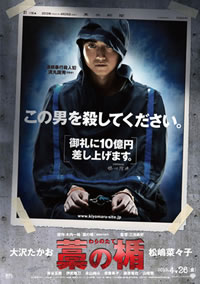
Of all the directors featured this week, Takashi Miike is one who is still working relatively prolifically. So I thought it might be good to feature his upcoming (or recently released depending on where you live) film as this week’s trailer.
Shield of Straw (or Straw Shield depending on who you ask) looks like some pretty violent and stylish Miike fare focusing on the cop genre. Unfortunately I could not find a trailer with English subtitles, but just from the visuals, this looks like one that I wouldn’t mind catching. What do you guys think?
This week thanks to Madman Entertainment, you have the chance to win a copy of Ace Attorney, Black Belt plus one other Japanese film on DVD. Head here for all the details on how to enter.
Like what you read? Then please like Not Now I’m Drinking a Beer and Watching a Movie on facebook here and follow me on twitter @beer_movie.
The Cinema of Japan: Reel Anime Reviewed
Reel Anime is an annual travelling anime festival that travels around Australia around this time each year. I have been lucky enough to see three of the films in this year’s fest, so I though that this week focusing on Japanese film was the ideal time to take a look at them.

A Letter to Momo (2011) is about as close to Studio Ghibli as a film can get, without actually being made by Ghibli. This is not meant to be a criticism, it is just the film pretty openly wears influences such as Spirited Away (2001) on its sleeve.
Like all three of these films, the animation in this one is incredibly beautiful. In A Letter to Momo it is the use of colour that most stands out, feeling like as much care has gone into the choice and use of colour as all the other aspects of the visual approach. The simple concept is a wonderful one that allows the filmmaker to gradually incorporate a more fantastical world into proceedings. Momo is a young girl who misses her recently deceased father. Her grief, and resultant emotional distance from those around her, is exacerbated by the fact that she had argued harshly with her father the last time that she saw him. One of her prized possessions is a letter he had begun to write to her following this which simply reads “Dear Momo”. Momo spends a lot of time holding this letter, looking at it hoping for a flash of insight as to what her father would have written next. Into this world come a number of spiritual beings or monsters that only Momo can see.

Some of this has been done before. Momo has been moved to a new town and her struggles to fit in are heavily reminiscent of The Karate Kid (1984) and a myriad of other films. Likewise the idea that there are monsters visible only to a child did not initially grab me. But as the film progresses, and the really fun personalities of Momo’s new spiritual companions (or light-hearted tormenters) come to the fore, there is a lot of fun here and also an original sensibility that at least in part stops the film from simply becoming ‘Ghibli-lite’. The interaction between Momo and these charismatic beings us quite charming I think and ranges from the extremely cheerful to flashes of if not malice, than at least the generation of some strong negative emotion. Also as the film progresses, the emotional relationships Momo has with her mum and grandad are explored more and more. I wish there was more of both these characters because the exploration of how Momo’s relationship with them is influenced by the grief of all three parties works extremely well.
This is definitely not anime in the mind blowing, searing sense. But as a gentle emotional journey with plenty of fantastical lashings, A Letter to Momo definitely succeeds a lot more often than not.
Verdict: Stubby of Reschs
With a title like 009: Re Cyborg (2012), I was hoping for some balls out, full on huge robot fighting action. However this is possibly because I don’t really know what a cyborg is.
As the film begins, suicide bombers obeying “His Voice” are destroying cities worldwide. This leads to the bringing together of an Avengers style cyborg superteam to try and deal with matters. The animation style is super artistic, bringing to life the urban sensibility through a washed out approach. There are a number of thumping action sequences that have a very cool, street based sensibility to them as well, which is helped no end by a really good soundtrack.

Whilst there is no doubting that some of what went on went over my head a little, 009: Re Cyborg is an extremely interesting film. At times the film is awash with biblical references and the plot goes into some complicated territory. The latter one is a bit of an issue though. As the narrative spirals to include a U.S. government conspiracy… or something like that anyway, my mind began to wander and the film lost its grip on my focus. This is not helped by a tendency to get bogged down in religious, philosophical and psychological babble through the second half of the film. But the film on balance gets away with it all because it is so interesting. Even if you lose exactly what is happening there are still cool things to appreciate, allusions to classical private eye films and a strong thematic concern with the military industry and the disruption of peace for profit.
When 009: Re Cyborg is doing action, it is doing it awesomely. The long stretches of talking that fill in the gaps are less engaging. But if action anime is your thing, then you will probably be happy enough to sit through that for the good bits.
Verdict: Stubby of Reschs
At just 44 minutes long, The Garden of Words (2013) is either a long short film or a short feature. Whatever it is, it is my favourite of these Reel Anime films I have seen. It also does not really sit comfortably within the realm of any anime I have seen before.
The film is essentially a love story between a 15 year old boy and a 27 year old woman. Not a love story in the passionate erotic sense. But in the sense of a meeting of two people who need each other and complement each other so well that their connection extends beyond mere friendship. A young boy skipping school becomes intrigued by a woman who is sitting in the park one weekday morning drinking beer and eating chocolate… I get it. Who wouldn’t be intrigued. So begins the connection of these two characters in what is a really incredible character study. The filmmakers manage to jam more characterisation and interesting back-story into these 44 minutes than most filmmakers can manage in a film three times that length (six times that length if your name is Peter Jackson). One is an old fashioned soul who dreams of being a shoemaker. The other is a person who for whatever reason cannot bear to face her workplace. Together they manage to find in the other what they need, at least for a short period of time.
You often hear animators talk of the challenge that is animating water. Those behind The Garden of Words almost thumb their noses at this by opening the film with shots of an incredibly clear lake being broken by rain drops. Much of the film takes place in the pouring rain and it still manages to look sharp as anything. The animators also do incredible work of contrasting the urban and the natural. Shots of a park are cut against close-ups of a racing train wheel. Indeed this park, a natural oasis amongst the grime of the city, is where the two main characters spend most of their time. Technically the film is faultless. As a drama script, the writing is borderline perfect, not being afraid to write something thematically that is really quite adult in its intended audience. For my personal tastes, one scene toward the end did get a little too sentimental. But I am nitpicking and it did not affect my enjoyment of the film in any way. The film is ‘shot’ really creatively too, with montage, close-ups and shot composition all being used to make this a really fun and beautiful film to look at.

It has been a while since I can recall being so enamoured with a film. I just found my self so thoroughly bought in to the narrative on the screen and the two main players bringing it to life. Playing at times almost more like a hymn or a song, The Garden of Words is one to definitely check out.
Verdict: Longneck of Melbourne Bitter
This week thanks to Madman Entertainment, you have the chance to win a copy of Ace Attorney plus two other Japanese films on DVD. Head here for all the details on how to enter.
Like what you read? Then please like Not Now I’m Drinking a Beer and Watching a Movie on facebook here and follow me on twitter @beer_movie.
The Cinema of Japan: Tokyo Story

After Chris’s fantastic personal introduction to the works of Yasujiro Ozu yesterday, I thought I would take a look at probably his most famous work – Tokyo Story (1953). I was lucky enough to see the film on the big screen at the Arc Cinema here in Canberra where the film got a really great intro from the head of programming. One of the interesting things he said was that back in the day Ozu was considered “too Japanese” to really succeed internationally. Whilst I love this film and Ozu’s fame obviously extended far beyond his own country, it is pretty easy to see why that opinion was held about him.
 Narrative-wise, the film is gentle but not exactly slow. The influence of Ozu on a myriad of artistic filmmakers that would follow him is plain to see in this regard. Tokyo Story’s greatest lesson is just how intriguing an utterly simple tale can be. The script is wonderful, even though it is telling such a simple story. Often it is hard to make these kinds of stories feel authentic, but there are no such issues here. The script allows the plot to unfold languorously in front of the viewer, spiced with an occasional note of humour. There is a sense throughout that Ozu is gently toying with the filmic form in this film. It gently nudges the heartstrings without pummelling them. It also veers in the second half into something of a road movie, where the personal or spiritual journey is accompanied by a physical one. This all builds to an emotional highpoint that I will not reveal except to say that it gives the film a ‘second wind’ of sorts after it had begun to drag for me, ever so slightly.
Visual poetry is one of those film terms that gets thrown around far too liberally when in fact I think as there are actually very few proponents of it. That said, Ozu is definitely part of that select group. Here, he continually incorporates architecture and the lines of buildings into his beautiful shot composition. This is notable due to the fact that much of the film takes place in urban areas and Ozu’s adeptness at incorporating enclosed physical spaces into his work makes it a lot prettier to look at then it otherwise would have been. Like the plot and the visuals, the soundtrack to the film can essentially be summarised as being quiet but masterful. Not at all intrusive, the soundtrack makes itself known through an occasional flourish that really enhances what is on screen.
 Whilst there is much here that supports the idea that Ozu is a distinctly, if not totally “too Japanese” a director, such as the settings and culture which really could be nowhere but that country, there are also a number of universal elements. Thematically, the concern of parents for their children when they leave home is something that permeates much of the film. Just as this was a major theme of life in 1950s Japan, so it was in 2000s Australia when I left home. If you have left home, you know what I am talking about. If not, then trust me it is coming. More broadly, the film touches on a number of issues related to familial relations, especially the notion of the in-laws and the strains they can place on everyone. The joys that having your family extended by the incorporation of said in-laws is also displayed on screen. Tokyo Story also hit home for me in its exploration of the notion of time. More specifically, the way that we always seem far too busy. Too busy for what is really important. It is a real takeaway from the film and a credit that it is a message that gets through to me, despite leading a totally different life to the ones being led onscreen.
Gentle and artistic, but definitely not boring, Tokyo Story is definitely one to tick off for all major film buffs. It did go on a little too long for me, but Ozu is one of the true original maestros of cinema history. There is a fair chance that he has greatly influenced one of your favourite directors with his approach to the artform.
Verdict: Pint of Kilkenny
Progress: 93/1001
This week thanks to Madman Entertainment, you have the chance to win a copy of Ace Attorney plus two other Japanese films on DVD. Head here for all the details on how to enter.
Like what you read? Then please like Not Now I’m Drinking a Beer and Watching a Movie on facebook here and follow me on twitter @beer_movie.
The Cinema of Japan Guest Post: A Personal Introduction to Yasujirō Ozu
My man Chris Smith, all round legend and contributor to Film Blerg has kindly hooked me up with this brilliant personal intro to one of the true cinematic legends to come out of Japan. Read and enjoy. This is some seriously good shit.
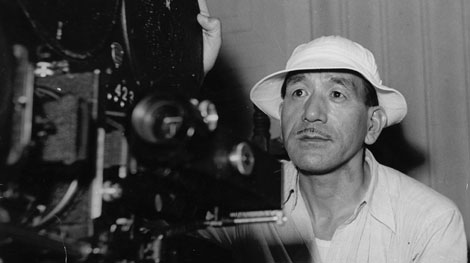
The great man at work
“Sooner or later, everyone who loves movies comes to Ozu”.
So begins Roger Ebert’s Great Movies review on Floating Weeds (1959), the first film I saw of the legendary Japanese director Yasujirō Ozu, and so right he was. I’m not sure what took me so long. I think I’d started watching one of his films before, maybe it was this one or perhaps it was Tokyo Story (1953), the other Ozu film that seems to have infiltrated the zeitgeist outside of Ozu’s work itself. Whichever it was, I remember watching the first few minutes and finding it challenging; first visually with the compositions, and then the slow, deliberate pacing; but man am I glad I stuck with it, because in the films of Ozu we find what might be the purest and most beautiful expression of people and their humanity in perhaps the entirety of cinema as an art form.
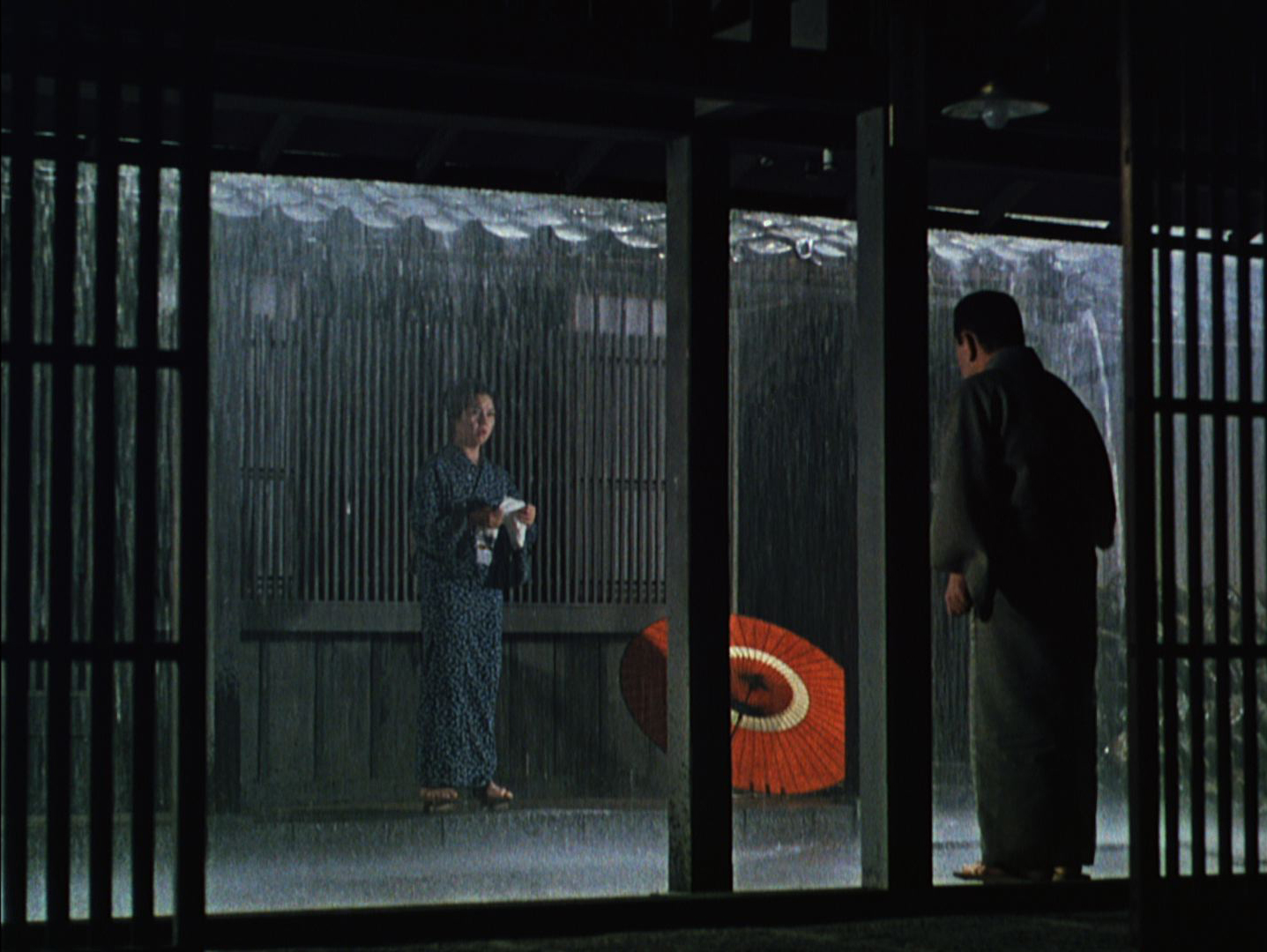
Floating Weeds
As a visual film maker, Ozu is a stylist to the point of anti-style. His films are deliberately (and misleadingly) simplistic with scenes often playing out in extended shots (generally low angles), very little camera movement (by the later stage of his colour films the camera ceases to move at all), and often breaking the rule of the “hypothetical camera” (the disorienting effect where the viewer becomes aware that the camera or lens from which they’re seeing this world, which we know must be somewhere, has its space physically taken up by something else – in Ozu it is the reverse angle of two characters talking across from one another).
Narratively, Ozu’s films are mostly anti-climactic with seemingly important events of narrative action usually happening off-screen and what was previously thought to be of so much importance is referenced in simply passing, as so often happens in real life once important events are swallowed up by the past.
So if his films are visually mundane (they’re not) and his plots are uninteresting (again, they‘re not), why is Ozu treated as cinematic royalty? It’s because with the relative removal of these exterior concerns, Ozu focuses on the heart of his stories, which are his characters and their emotions, which we remember long after visual and narrative details have faded in our memories.
The effect of watching a good many of Ozu’s films in quick succession (especially his later work which has been boxed together by Criterion in their Eclipse series) is very much like binge watching your favourite TV show, even a soap opera – just without all the heightened melodrama – as his stable of fine actors, including Ganjiro Nakamura, Shin Saburi and Chisu Ryu – navigate the terrain of Ozu’s thematic concerns (tradition vs. modernity, women’s independence, family relationships) often in the same locales and sets (the majority of these stories tend to play out in traditional Japanese apartments). Like with television, the audience’s investment lies less with the week to week plot, but more with how the characters we love deal with conflict, and it’s these conflicts that lead to the greatest moments in Ozu.

Flavour of Green Tea Over Rice
From the old widow O-tane (Choko Iida) of Record of a Tenement Gentlemen (1947); who after neglecting the young lost boy who attaches himself to her and treating him horribly, finally comes to find that she in fact does love him as a mother – only for the boy’s father to come for him just after she’s made this discovery; to the heartbreaking scene of Flavour of Green Tea Over Rice (1952) when Mokichi (Saburi) tells his wife (of an arranged marriage) Taeko (Michiyo Kogure) after they’re been married for many, many years that they simply aren’t happy, the world of Ozu is populated by real people we become deeply invested in, often in what may seem like small irrelevant details, but they become so important in the context of his cinematic world.
While a good deal of has been written about the final scene of Late Spring (1949) (the films plot involves an ageing and widowed professor (Ryu) being convinced to arrange for his daughter (Setsuko Hara) to be married to a stranger so she’ll be taken care of once he dies, but she refuses because she wants to stay with her father, leading him to pretend to marry as well) where the daughter says goodbye to her father and the father returns home alone; my own personal favourite moment in Ozu is in his reworking of Late Spring, Late Autumn (1960). Hara, now the parent, confesses to her daughter Ayako (Yoko Tsukasa) that she has decided not to marry but to live alone while her daughter leads her own life. It’s one of the most poignant and touchingly simple moments in the history of film that always invariably leads to tears from its audience.
I’ve touched on only a few of Ozu’s individual films here and barely scratched the surface of what makes him such an incredible filmmaker, but his entire filmography is a rich and rewarding journey that awaits all film lovers, that as Ebert says, find their way to it.
Chris Smith is a Melbourne based freelance writer who is passionate about film, books and music. His work is often featured on Film Blerg and various other places.
This week thanks to Madman Entertainment, you have the chance to win a copy of Ace Attorney plus two other Japanese films on DVD. Head here for all the details on how to enter.
 Beermovie.net